
"which one is the environment"
10000 article(s) found
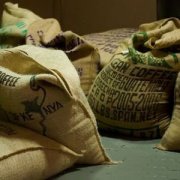
The correct preservation method of raw coffee beans stored in gunny bags
The raw beans stored in sacks are very similar to people in many places, such as the storage environment, the comfortable environment is suitable for raw beans: dry, dry, cool, not hot or cold, the only exception is light. Raw beans should be protected from light. Raw beans are crops and need to breathe, so theoretically the best storage material is clean, odorless and breathable.

The storage environment of coffee beans must be dry. Explain the preservation skills of coffee beans.
Editor's note: some white-collar workers like to buy their own coffee beans and grind their own coffee with a coffee machine, which takes into account the preservation of coffee beans, it is impossible to drink and buy one at a time. What are the correct and effective ways to preserve coffee? The preservation method of coffee beans fresh coffee is extremely sensitive to the storage environment, in recent years experts highly recommend the use of aluminum foil packaging material

Design case of Decoration style of characteristic Cafe
A cafe, on the one hand, should be in line with the times we live in, on the other hand, it should maintain consistency and harmony with the surrounding environment. Today, Chongqing Beresta Coffee training School shares a case study of a coffee shop with a very successful decoration operation. Let's take a look at how this coffee shop is in harmony with its surroundings, and at the same time it can be in line with our times and decorate.

Growth environment, characteristics and development status of Robusta coffee beans
The output of Robusta species accounts for 25% 35% of coffee bean production, and its main producing countries are in Indonesia (one of its coffee beans is a kind of coffee beans processed by washing, which is a hybrid between Robusta and Arabica. It is the only kind of coffee beans on the Chinese market that can be used as a single drink), Vietnam, Africa, (Ivory Coast, Nigeria, Angola)

Buenos Aires Manor | washing Pacamara [elephant bean] growing environment? Measure the washing image of the cup
Professional coffee knowledge exchange more coffee bean information please follow the coffee workshop (Wechat official account cafe_style) Buenos Aires Manor | washing Pacamara [elephant bean] growing environment? What is the flavor of washed elephant beans in a cup? Nicaragua is one of the major coffee-producing countries, producing high-quality coffee. Nicaragua is mainly divided into four major coffee producing areas, New Sagovia.

Introduction and Flavor of Robuska Coffee beans describe the taste of growing environment and producing area
Description of the introduction flavor of robusta coffee beans in the growing environment, the output of Robusta species accounts for 25% 35% of coffee bean production, and its main producing country is Indonesia (one of its coffee beans is a kind of coffee beans processed by washing method. It is a hybrid between Robusta and Arabica, and it is the only coffee bean that can be used as a single product in the Chinese market.

Introduction to the planting environment of boutique Panamanian coffee beans
Panama Coffee growing Environment Panama is a small country located in the center of the American continent. The waters of the Atlantic and Pacific oceans flood its beaches. Panama is located at 9 degrees north latitude, the meeting point of the Central Mountains, where Mount Baru, one of the highest volcanoes in Central America, is located. The Baru volcano has an altitude of more than 11400 feet, and the land around it is rich in nutrients and fertile

Introduction of Coffee Price planting Environment and Variety producing areas in Lemon Manor in Nicaragua
Nicaragua is now one of the poorest countries in Central America. Due to its poor economic foundation, the coffee industry is still relatively backward, while coffee farmers are in extreme poverty. Fortunately, Nicaraguan coffee has received some foreign aid funds to improve the quality of its coffee. Coffee from Madagelba, Sinodega and Segovia in Nicaragua

What are the varieties of coffee trees in China? introduction to the altitude of coffee planting environment in Yunnan
What is the variety of coffee trees in China? Yunnan Coffee planting Environment Coffee fruit contains two seeds, that is, coffee beans. The two beans are connected face to face with each other on one side of the plane. Each coffee bean has a thin outer film, which is called silver skin, and its outer layer is covered with a yellow outer skin, called endocarp. The whole coffee beans are hidden in
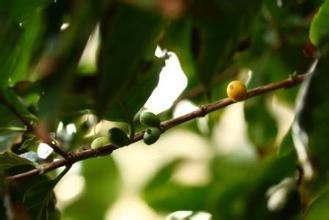
Coffee growing environment affects coffee growing environment and coffee quality Suitable soil and conditions
Coffee originated in tropical Africa, the origin of small species is the tropical plateau of Ethiopia, between 900 and 1800 meters above sea level, with an average annual temperature of 19. C. The medium-grained species originated in the tropical rain forest area of Congo, below 900 meters above sea level, with an annual average temperature of 21~26. C。They are native to shady or semi-shady forests and river valleys, so coffee needs calm wind, warm and humid

Introduction of Nicaraguan Coffee producing areas with excellent growing Environment
It provides a good growing environment for the cultivation of coffee. The mineral-rich pozzolanic soil provides abundant nutrients for the cultivation of coffee trees. High-quality Nicaraguan coffee is also grown in the northern and central highlands of the country. The best coffee is produced in Matagalpa. The coffee produced here is highly respected by coffee lovers all over the world and gradually becomes a boutique.

Panamanian coffee growing environment
Panama is a small country located in the center of the American continent. The waters of the Atlantic and Pacific oceans flood its beaches. Panama is located at 9 degrees north latitude, the meeting point of the Central Mountains, where Mount Baru, one of the highest volcanoes in Central America, is located. Baru volcano has an altitude of more than 11400 feet, and the land around it is rich in nutritious and fertile soil, which is unique to Panama.

Introduction to the planting environment of Ugandan boutique coffee beans with thick and mellow thickness
After the first World War, the long-standing dissatisfaction of the Ugandan people with colonial rule finally broke out. A national general strike and rural riots broke out in 1918. In 1919 Buganda launched a democratic movement under the leadership of the Bataka Party and the African Farmers' Union of Uganda. In 1921, Uganda's first national political party, the Ugandan National Congress Party, was established and proposed the implementation of universal suffrage.

Nicaraguan Coffee Manor with good planting Environment characteristics of flavor and taste in coffee producing area of Joy Manor
Nicaragua is now one of the poorest countries in Central America. Due to its poor economic foundation, the coffee industry is still relatively backward, while coffee farmers are in extreme poverty. Fortunately, Nicaraguan coffee has received some foreign aid funds to improve the quality of its coffee. Coffee from Madagelba, Sinodega and Segovia in Nicaragua

Specialty cafes make you praise the most distinctive cafes, cafes, environment cafes.
The coffee shop is a shop that mainly sells coffee, which provides a high quality and beautiful environment for all major consumers, so that everyone can enjoy bitter and fragrant coffee in a leisurely and quiet atmosphere, relieving mental stress and relaxing the mind. The coffee shop is a shop that mainly sells coffee, which provides a high quality and beautiful environment for all major consumers.

Mild taste, very aromatic, rich joy Manor coffee flavor Taste Variety Growing environment Introduction
Nicaragua is one of the main coffee producing countries, producing coffee of high quality. Even the coffee in Guatemala's Antigua Mountains, which is famous in Asia, imports green beans from Nicaragua. Although Nicaragua coffee is not yet famous in Asia, in fact, Nicaragua coffee is famous all over the world (Starbucks has many cooperative coffee farmers in Nicaragua), while several coffee producing countries in Central America,

Anatomical map of the growth environment of coffee beans-how to distinguish between good and bad coffee beans
Anatomical map of the structure and growth environment of coffee beans-how to distinguish between good and bad coffee beans should be planted with seeds with endocarp. The raw coffee beans we usually come into contact with have been removed from the endocarp, so they cannot be planted. The endocarp (sheepskin or paper skin) refers to the tea-brown hard skin that surrounds the coffee seeds, and the coffee beans with that skin are called shelled beans (sheepskin paper beans).

Introduction to the characteristics and flavor of Panamanian coffee with low yield in the planting environment
Professional coffee knowledge exchange more coffee bean information Please pay attention to the coffee workshop (Wechat official account cafe_style) the geographical environment of Panama means that the domestic coffee producing areas have many unique microclimate, including many highly capable and dedicated coffee producers, so there are a lot of excellent quality coffee, of course, relatively expensive. The high price of coffee, on the one hand,

Colombian coffee growing environment Colombian coffee culture
The history of coffee cultivation in Colombia can be traced back to the Spanish colonial era in the 16th century, and there are many theories about the history of coffee in Colombia: one: it is said to come from the island of Haiti in the Caribbean and from El Salvador in Central America. Second: in 1808, a priest introduced coffee beans to Colombia for the first time from the French Antilles via Venezuela. One of them

Panama Coffee Coffee growing Environment unique Coffee
Panama Coffee growing Environment Panama is a small country located in the center of the American continent. The waters of the Atlantic and Pacific oceans flood its beaches. Panama is located at 9 degrees north latitude, the meeting point of the Central Mountains, where Mount Baru, one of the highest volcanoes in Central America, is located. The Baru volcano has an altitude of more than 11400 feet, and the land around it is rich in nutrients and fertile